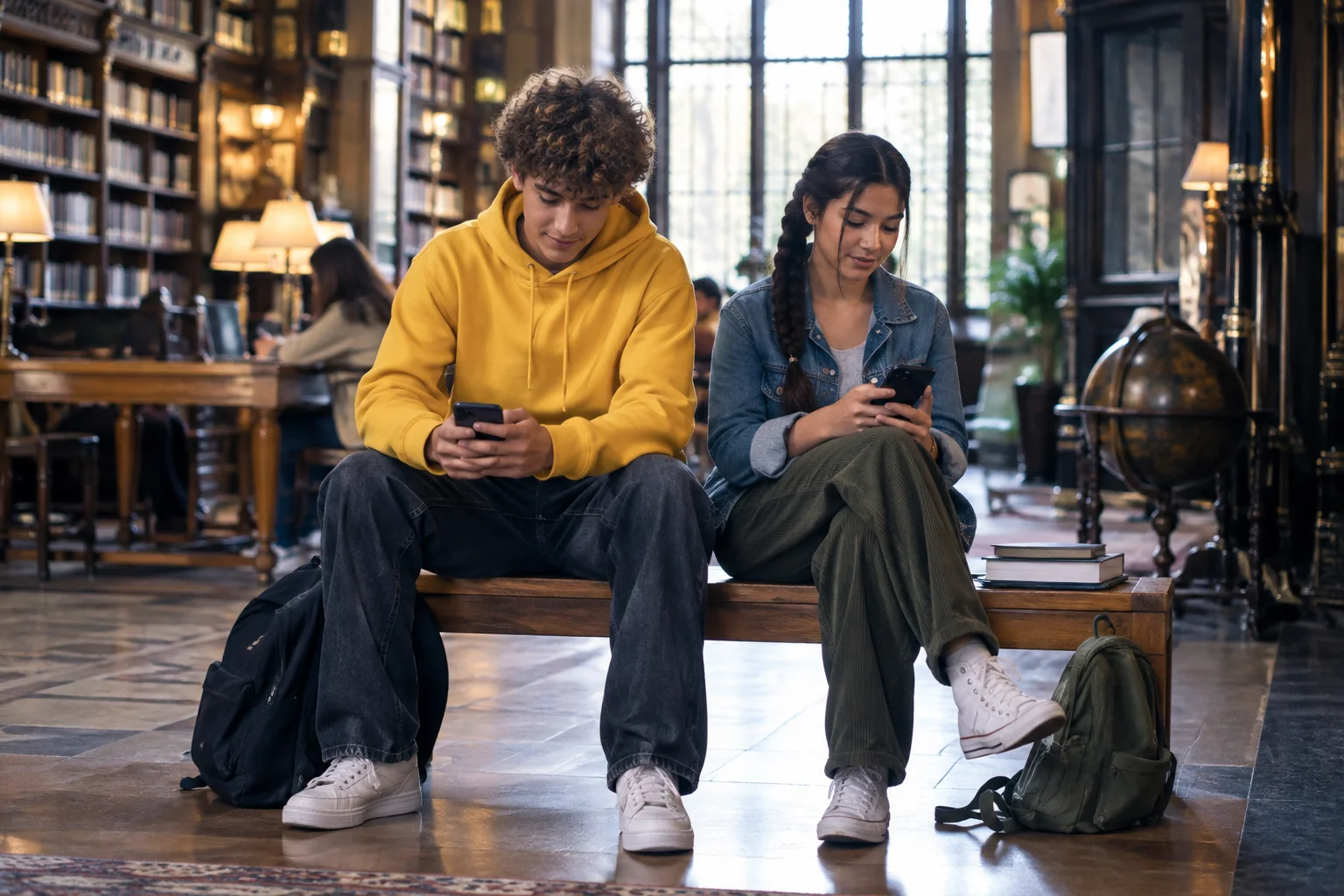
Know the person. Protect the device. Pause before sharing.
AT A GLANCE
Know the person.
01
Recognize
Confirm who sent an invitation and why.
02
Protect
Keep your PIN, pattern and pairing QR private.
03
Pause
Think about what a recipient could save or share.
THE STARTING POINT
Know the person behind the invitation
Accept links only when you know who sent them and why. A display name or forwarded link is not proof of identity. Confirm through a trusted channel if something looks unfamiliar. Never authorize another person's device as your own.
A CLEAR NEXT STEP
Keep your unlock secret private
Use your local protection and lock your device when you leave it. Do not share a PIN, pattern or device-pairing QR. A pairing confirmation grants device authority, not just contact access.
RECOGNITION BEFORE CONNECTION
A familiar name is only a starting point.
Someone can choose a familiar display name or forward a link. Take a moment to confirm who is asking to connect, particularly when an invitation is unexpected. Talk with a trusted adult if a request makes you uncomfortable.
Protect the unlock secret and your device-pairing QR. One protects this device’s vault; the other can authorize an additional device. Neither needs to be shared to make a person a contact.
Before sharing a photo, file or message, remember that the recipient may keep a copy. Blocking unwanted communication is useful, but it cannot retrieve material someone already saved.
Follow the controls, delivery rules and responsibilities that apply to for kids & teens.
01
Pause before sharing
A recipient can save, record or share what they receive. Encryption does not stop screenshots or prevent an accepted contact from misusing content. Avoid sharing sensitive personal details with people you do not trust.
02
If something feels wrong
Block the contact, leave the group and ask a trusted adult for help. Preserve any evidence you need before deleting it locally. Sornix is not an emergency response service.
03
Payment and loss
Receiving is free, but starting group communication can create paid usage. Understand the price before starting. Losing every authorized device means the identity and inaccessible local history cannot be recovered.
Continue in Sornix to set up your identity, manage your devices and use the communication tools. Choose your contacts deliberately, protect local access and review paid usage before starting.